2026-09-16
How Long Will They Mourn Me?
By Jamil Weeks
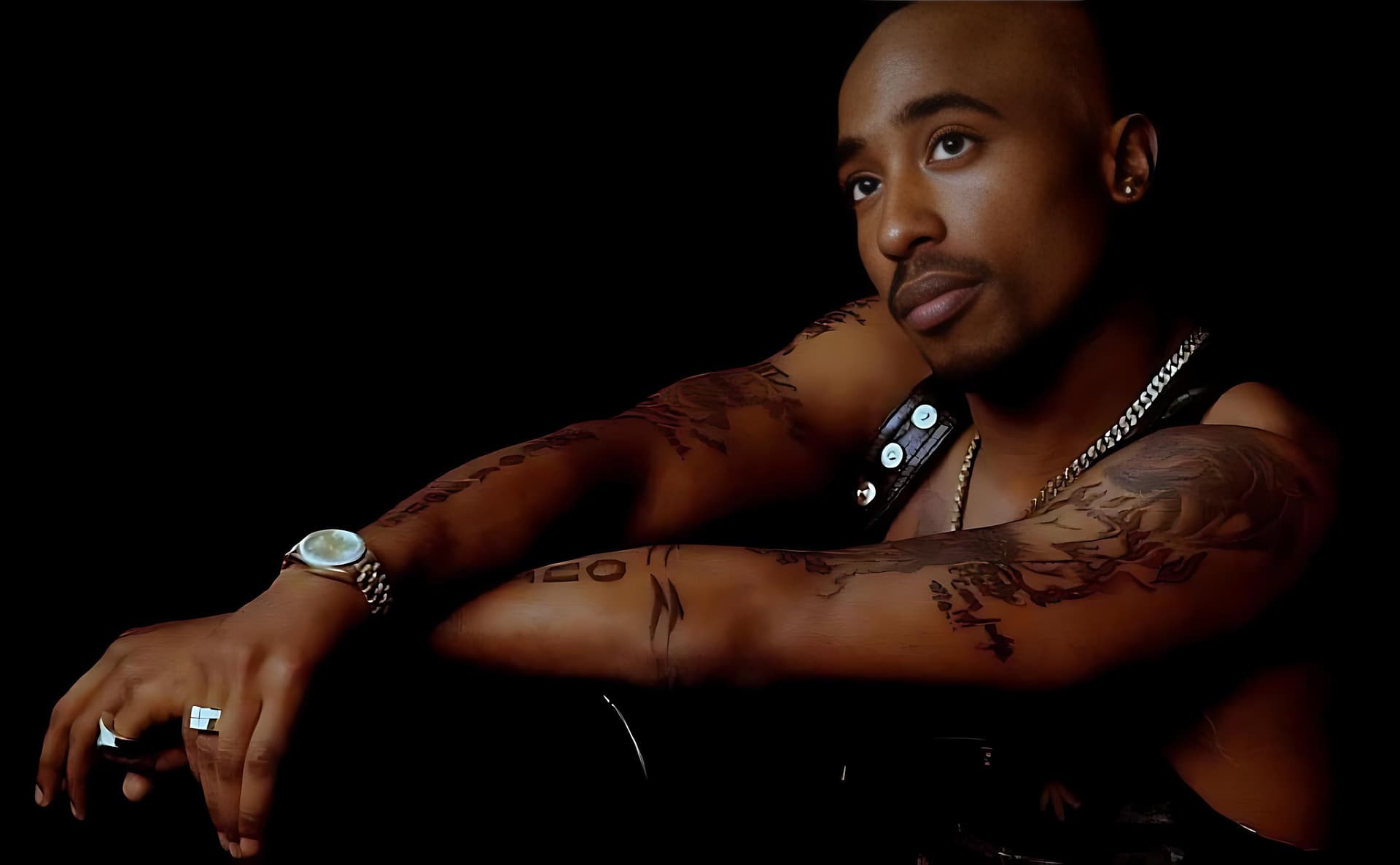
So much has changed since the murder of arguably hip hop’s biggest icon. Society has descended into the current isolationist digital age. The country elected our first black President. 9/11 happened. Politics has increasingly polarized people globally. The world is fundamentally a different place since one of the greatest rap artists, 2Pac, left us. A death that fundamentally shook hip hop to its foundation, September 13 of 1996 is a day that will forever live in infamy. The day Pac earned his wings, elevating his legend to mythic proportions. Gradually as more details surfaced about his extraordinary life story, public interest grew into fascination. As more layers of his life were peeled away, fans gained a better understanding of who Pac was as a man. The connections to the black power movement. Moving from city to city with each environment molding him into the man he would become. The journey from a Digital Underground roadie to one of the most influential and impactful music artists of his era. Pac may be gone in physical form, but his spirit is very much alive. An avalanche of documentaries, conspiracy theories, movies, unreleased music and interviews, and even a hologram has carried Pac’s pop culture relevancy into different eras. People have refused to let the memory of Pac go. The chatter on social media platforms and podcasts on his troubled life has kept Pac’s name ringing as much as some of today’s most buzz worthy rap artists. One can only fathom how Pac’s legacy has continued to show the endurance of a gold medal-winning track runner 30 years after his senseless murder.
The Artistry
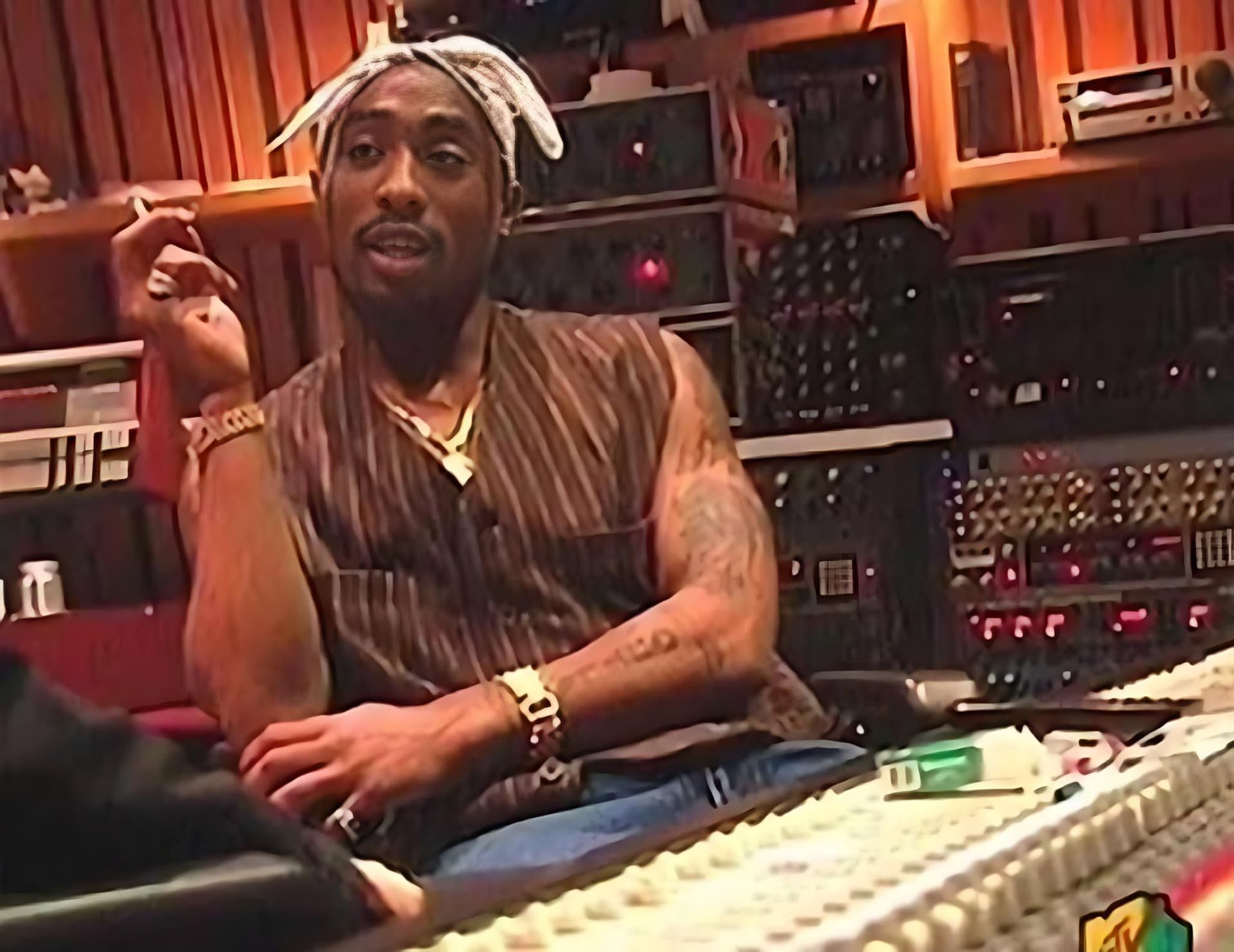
Pac was multi-faceted when it came to subject matter. If you needed a hardcore street anthem, he would give you “Holla If You Hear Me”. Crave a good story? No problem. Pac would unload “Brenda’s Got a Baby” from his songwriting arsenal. Pac created music where he could be vulnerable like with “Dear Mama”, flirt with death on “So Many Tears”, or bring out his inner playboy with “I Get Around”. Pac could cater to the ladies in “Keep Your Head Up” or be raunchy on “How Do You Want It”. Part of what made Pac so compelling was him giving you conflicting viewpoints that offered different perspectives, which critics claimed was hypocritical. Rather it was a household name like Dr. Dre, an in-house producer like Johnny J, or an unknown beat maker like Hurt-M-Badd, Pac was capable of making classic records with anyone. Pac was constantly elevating every year of his career. From roadie to dancer to rap artist to actor, his aspirations for greatness fueled his ascendance in the entertainment industry. Pac was gifted in conveying the intensity of his emotions in his music. The diversity in topics he tackled on wax allowed his messages to spread amongst different demographics. Pac was capable of stylistically translating poetical deep thought into digestible art for everyone from the hardcore hip hop head to the casuals to enjoy. A quality that transformed Pac from just a run-of-the-mill rapper to a generational talent.
The Movement
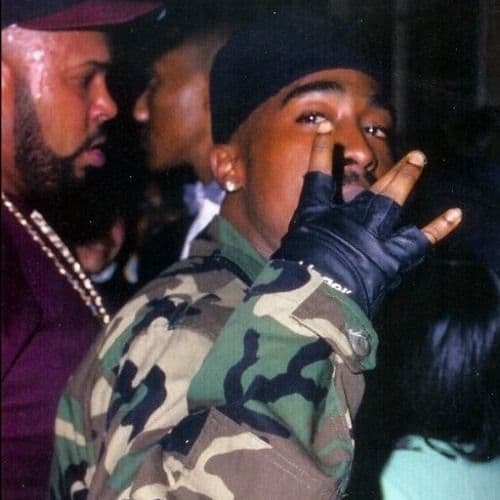
Pac’s revolutionary roots were so rich that the FBI routinely ran surveillance on his family. With a mother, stepfather, godfather, and aunt all involved in political movements, activism became embedded within Pac’s DNA. Having a legacy tied to what the government considered radical politics, Pac embraced being “military minded”. The idea of having discipline and structure coincide with the messages from his music, Pac applied the knowledge of strategy and war from his Black Panther Party and Black Liberation Army teachings to forge his own destiny within hip hop culture. Enter Thug Life, Pac’s modern day critique of the socio-economic ills faced by young black people. Thug Life was more than just an entourage, it was a way of life and a philosophy. Pac’s music embodied the premise that the negative effects of systemic racial inequalities created the conditions that nurtured a heartless mentality within young black men and women. In other words, he is saying to society “you made me, now deal with me!” The rebellious spirit that permeated Pac’s music make his music relevant to today’s society with timeless themes of police brutality, poverty, and street life. As long as there is a lopsided power structure in America, the relevancy in Pac’s anti-establishment motif in his music will always make him relatable to the people.
The Lore
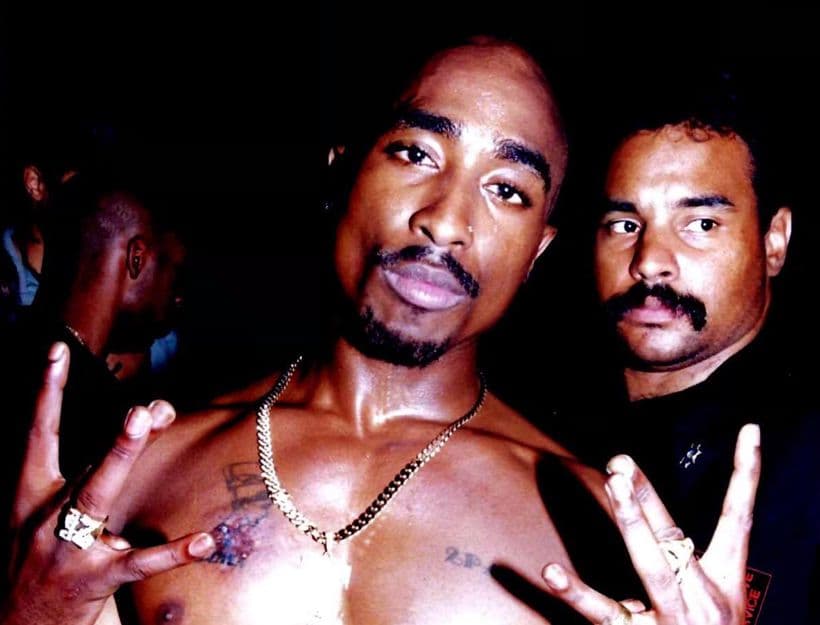
When Pac was alive, the media salivated in covering Pac’s controversial tendencies. Pac was portrayed as an ignorant nut case and became the poster child for the 90s “bad boy”. After his death, an endless gauntlet of people came forward to share their experiences with Pac. There have been so many wild Pac stories floating around for decades that it feels as if every major public figure from the 90s offered their personal testimony on their experiences with Pac. These stories would be passed down from generation to generation like biblical fables. One day he could be militant and the next whimsical. Given the circumstance, Pac could be as knowledgeable as he could be belligerent. With each passing year, the lore of Pac’s existence became more legendary. Each story exposed a different side of the man. The endless stories pieced together by his collaborators, rivals, friends, and family painted a complicated portrait of Pac that made him more relatable to his fans. Each tale was like a new thread being interwoven into a tapestry that would illustrate Pac’s tumultuous life. These stories have elevated Pac’s iconic status to rare heights only seen by some of the most influential legends in pop culture history, like James Dean or Janis Joplin. The mystery surrounding his murder lended credibility to rumors and speculation that made his legend grow. Today there is wave of 2Pac-dedicated podcasts keeping his memory fresh in the minds of the people. Pac has taken on a larger-than-life persona as his life story is passed down from generation to generation. Pac’s life may have been brief, but Pac made the most out of the time he had in this earth. People recounting their experiences with Pac gave him an almost God-like aura that your average rapper could only dream of having.
The Actor
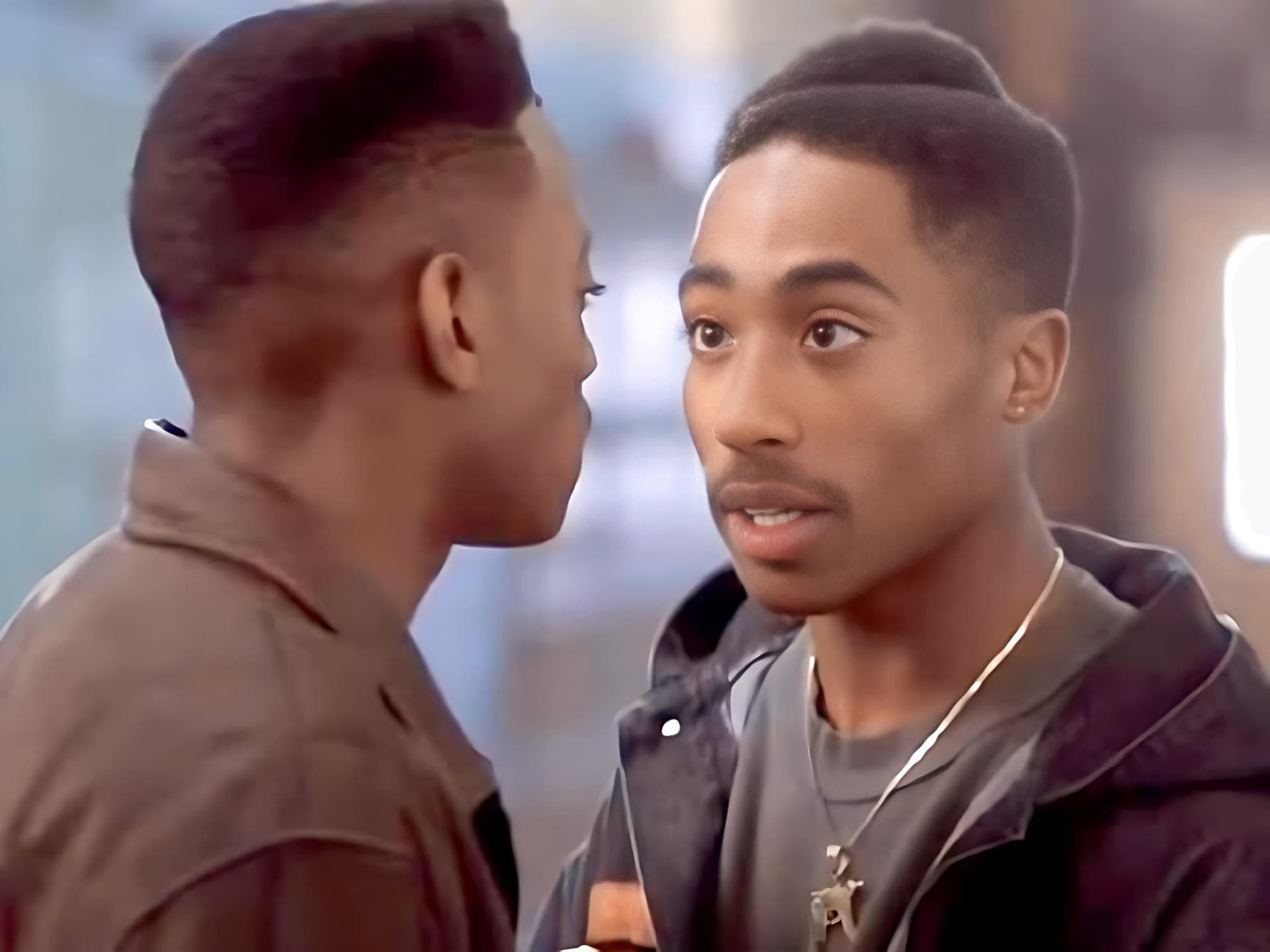
Janet Jackson. Samuel L. Jackson. Regina King. Thandie Newton. Tim Roth. Mickey Rourke. John Singleton. These are just a few Hollywood heavyweights 2pac collaborated with during his Hollywood career. Despite being known more for rapping, Pac initially made his big splash in the entertainment industry as an actor with a cameo in Dan Aykroyd’s 1991 film, Nothing But Trouble. As a Baltimore art school student, Pac gained an affinity for the humanities. A dual threat as an entertainer, Pac would pursue serious roles that demonstrated broad range in his acting ability. From portraying a corrupt cop to a jazz musician junkie, Pac avoided type casting in typical rapper-turned-actor roles. Best known for his role as the clout chasing, murderous Bishop in Ernest Dickerson’s Juice, Pac’s performance was so electrifying that people believe to this day that was who Pac was in real life. Pac would follow-up Juice with John Singleton’s Poetic Justice. Pac was challenged with a different type of role as Lucky, a mailman moonlighting as a rapper to escape the streets. Before his death, Pac was reportedly being considered for the role of jedi, Mace Windu, in Star Wars: Phantom Menace. The fact that Pac pulled off filming seven movies while also balancing a fruitful music career is a testament to Pac’s drive and work ethic.
The Beefs
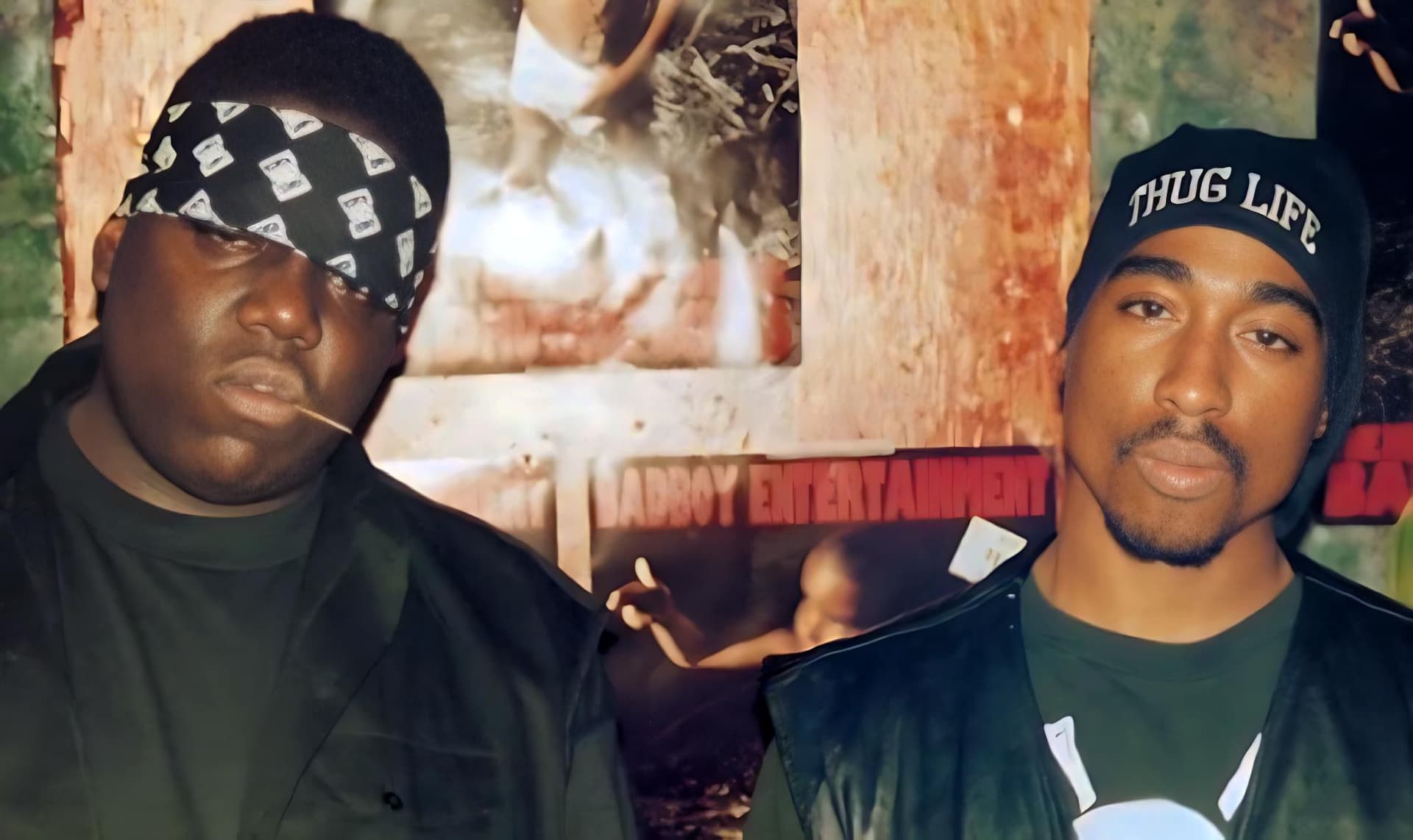
Pac earned a reputation for being confrontational. Rather it was the Gangster Disciples from Milwaukee, the Rolling 60s Crips in Los Angeles, or New York street legends like Jimmy Henchmen, Pac was not afraid to speak his peace or knuckle up with anyone. Pac was the first rapper to diss real gangsters in a song, immortalizing the names of street figures such as Haitian Jack and Tut. With mounting detractors amongst his musical peers, Pac accumulated his own rogue gallery of rap rivals he would villainize on wax disrespectfully. While other rappers would send their shots towards Pac subliminally, Pac took a more direct approach by naming names in his disses to his enemies. Pac wanted to leave no room for misinterpretation and was fearless in calling out any rapper or music executive he felt was playing with his name. Who could blame him? In the prior couple of years leading up to his death, Pac experienced more turbulent times than most experience in a lifetime. There was the shooting of the off duty cops in Atlanta. There was the trial and unjust conviction in the sexual abuse trial. Then there was the Quad Shooting. There was his incarceration in Rikers Island and Clinton Correctional Facility. There were the perceived disses and betrayal that would ignite the flames of the media-driven East Coast/West Coast feud. Pac experienced the darkest year of his life in 1994. Upon his signing to Death Row, Pac was ready for war. The beef with former friend, Biggie, became one of the most highly-publicized and tragic stories in hip hop. The venom he aimed at his foes on tracks like “Against All Odds” and “Hit ‘Em Up” deepened the mystique of Pac amongst rap listeners. The respect for the rap legend would continue to grow as stories surfaced throughout the years of Pac confronting his competitors man-to-man before and during the Death Row era. To this day, Pac is considered as one of the realest to ever grip a mic by the hip hop community. Pac MADE you respect him and his craft.
The Ladies
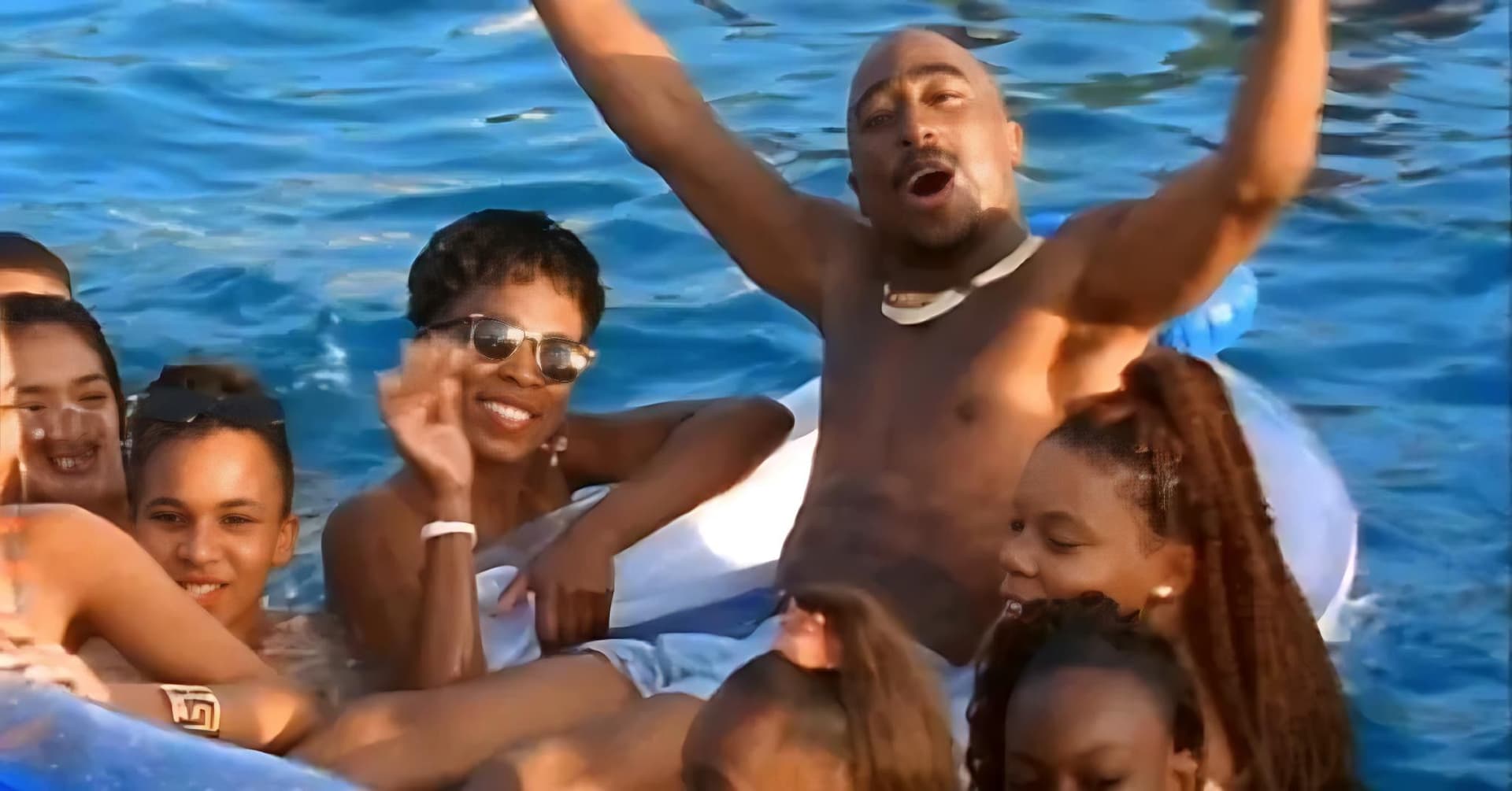
As if Pac was not busy enough balancing successful music and acting careers, Pac found time to balance different love interests in his spare time. The amount of ladies Pac has been romantically tied to is truly iconic. Pac’s flings could probably only be compared to the likes of Rick James or Prince. Women gravitated towards Pac’s natural charm and charisma like bees to honey. Pac was one of the few rap artists who was known as much for his sex symbol status as he was for having a hardcore street image. Most likely this is due to Pac making sure women were not alienated from his fan base. The music he made was not just about crooked cops, knocking out punks, and busting guns. Pac was generous in engaging females through his art. Perhaps this ability can be traced to the bond he shared with his mother. Pac witnessed how strong his mother, Afeni Shakur, was in battling her own demons. Afeni overcoming adversity left a lasting impression on Pac that contributed to a deeper appreciation of women than the average man. Perhaps explaining why Pac was able to forge deeper connections with women he came across in general. The passion in how Pac was able to express his emotions left many women captivated. The attention Pac received from women is another reason why Pac was so respected. Pac was a player in real life, not just in his music.
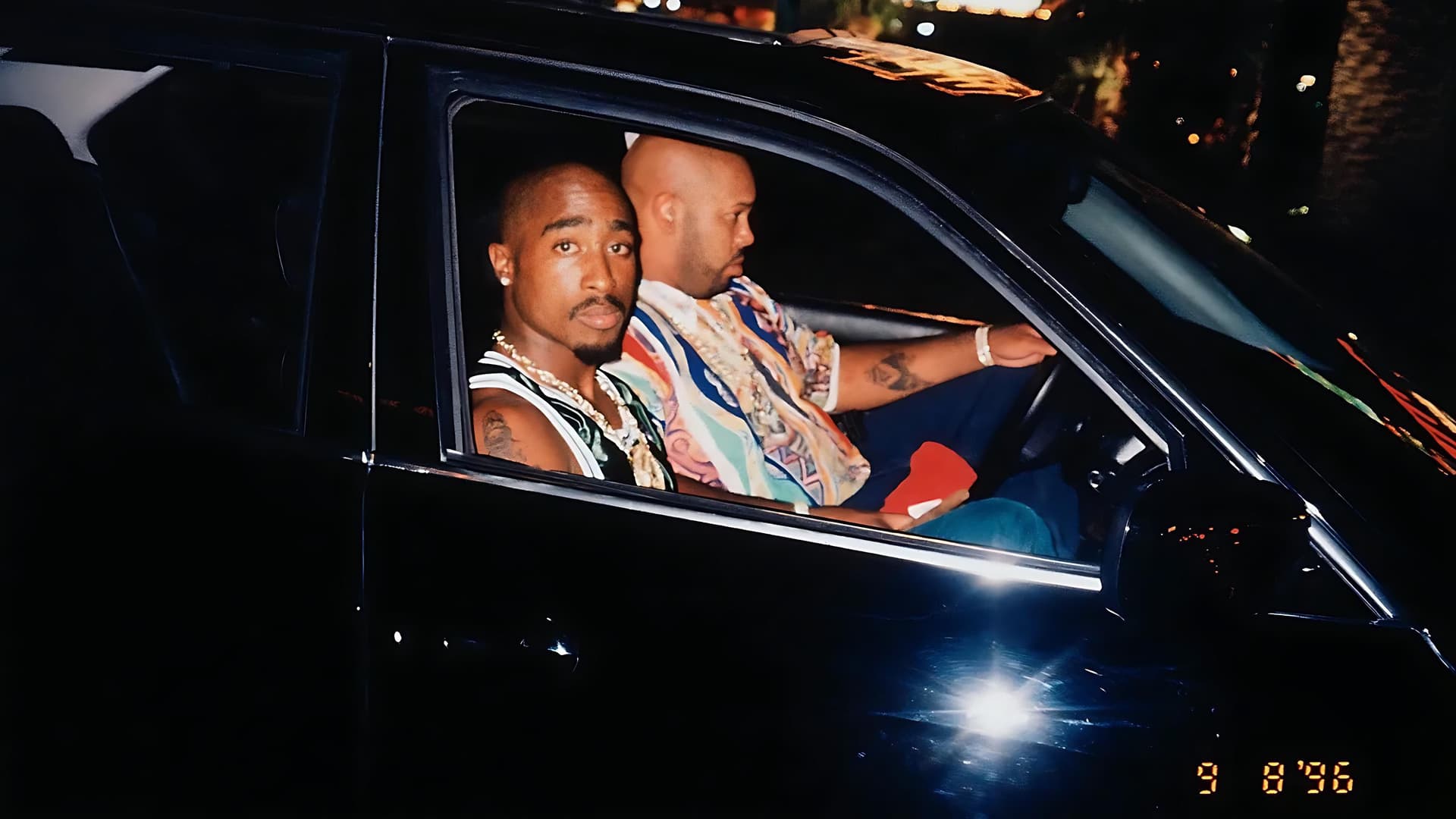
2Pac was a man’s man. A ladies man. An ambassador for the underprivileged. The voice of the people. A man who was brave enough to be his own man and make his own way in this cold hearted world. A man who was the definition of standing on business. For these reasons, Pac will never really be dead. He will live on through his unyielding influence that stretches as far as the galaxy contain stars. The immense body of work left behind is enough to keep feeding his fans. Hip hop will always embrace Pac as one of their GOATs. Sometimes it feels like Pac is still with us as much as he continues to maintain a presence within the psyche of hip hop. A reason is the way he died. Pac did not die gang banging. The man had principles and was loyal to a fault. Unfortunately for him, Pac was loyal to people who were caught up in the street life. What could have been a life that had even more impact on hip hop and black Americans turned into a cautionary tale. Hopefully the recent conviction of Keefe D in Pac’s murder trial has granted closure for the surviving members of his inner circle that loved and cared about him. Rest in Power to Tupac Amaru Shakur.